- (912) 673-0001
- 74 Jody Ln, Kingsland, GA 31548, United States
Quicklinks
Our Services
Flashing Problems Around Chimneys and Walls: Signs and Fixes in Kingsland
- Home
- Flashing Problems Around Chimneys and Walls

A lot of homeowners think roof leaks always come from shingles.
Honestly, that would make life easier.
But in reality, some of the most common leaks we see around Kingsland, St. Marys, Woodbine, and Camden County come from flashing problems instead. And the frustrating part is that flashing leaks can stay hidden for a long time before they finally show up inside the house.
Sometimes it starts as a tiny ceiling stain near a fireplace.
Sometimes it is a drip that only appears during heavy rain.
Sometimes homeowners notice bubbling paint near a wall and assume it is humidity.
Then the next storm hits and suddenly the problem gets a whole lot harder to ignore.
Flashing is one of the most important parts of a roofing system because it protects the vulnerable transition points where water naturally wants to get in. Chimneys, walls, valleys, vents, and roof intersections all rely on flashing to redirect water safely away from the home.
When flashing fails, water usually follows.
What roof flashing actually does
Roof flashing is typically made from metal materials installed around roof transitions and penetrations.
Its job is simple:
keep water from sneaking into the weak points of the roof.
Shingles work great across wide open roof sections where water naturally runs downward. But once the roof meets:
- a chimney
- a wall
- a vent
- a valley
- a dormer
- a skylight
things become more complicated.
Those transitions need flashing because shingles alone are not enough to seal them properly.
Think of flashing as the waterproof bridge between roofing materials and everything sticking through or against the roof.

Why flashing leaks are so common in Kingsland
Roof flashing takes a beating in coastal Georgia weather.
Around Camden County, roofs constantly deal with:
- heavy rain
- humidity
- heat
- expanding and contracting materials
- strong storms
- wind driven rain
Over time, all that movement and exposure slowly wears flashing systems down.
Sometimes the flashing itself stays okay, but:
- sealants fail
- fasteners loosen
- surrounding shingles deteriorate
- rust develops
- previous repairs break down
A flashing system only needs one weak spot for water to start getting in.
The most common flashing problem areas
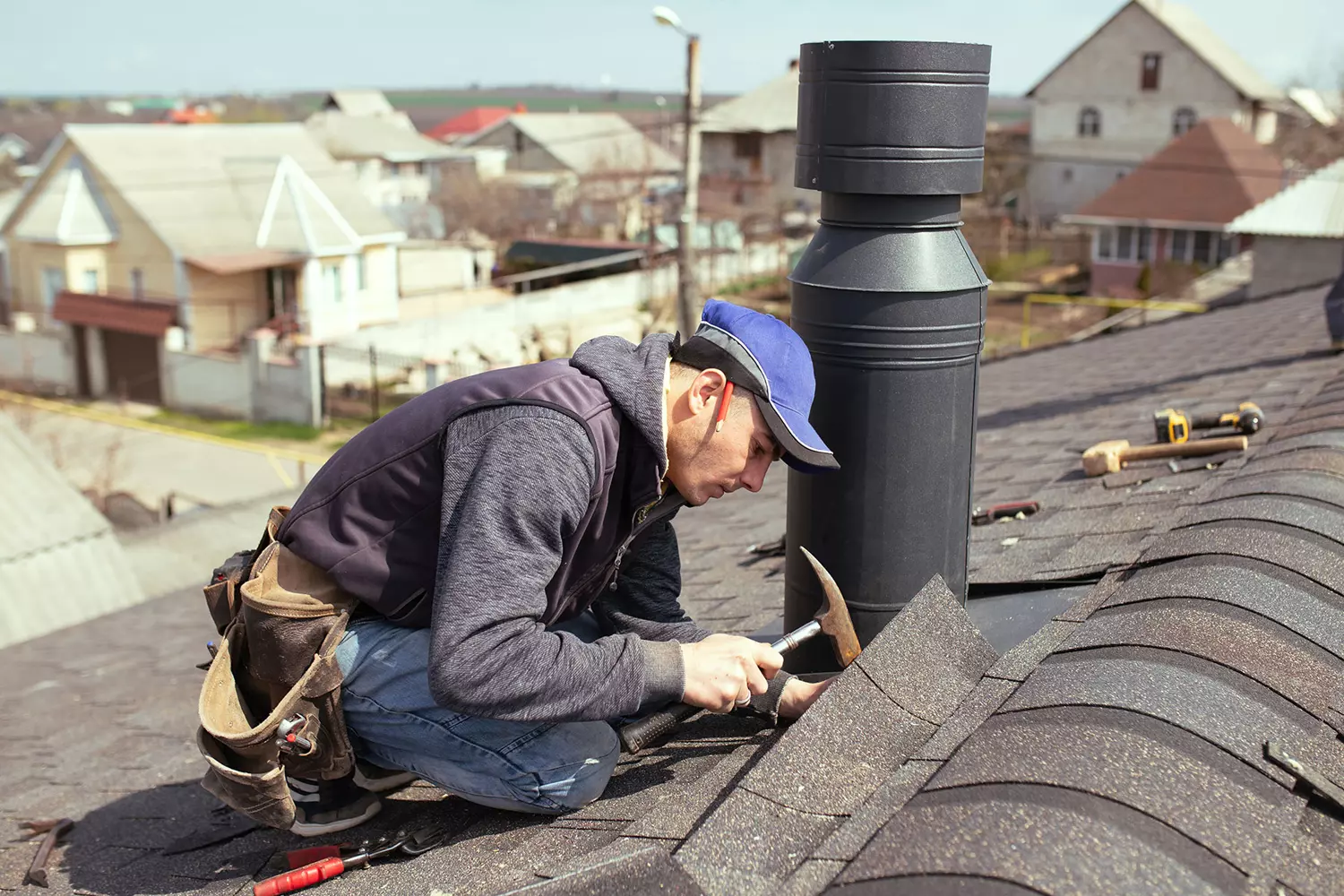
Chimney flashing
This is probably the biggest flashing trouble spot we see.
Chimneys interrupt the roofline completely, which means flashing has to work extra hard to redirect water around all four sides.
A proper chimney flashing system usually includes:
- step flashing
- counter flashing
- apron flashing
- cricket flashing in some cases
If even one section starts failing, water often finds its way underneath.
Common signs:
- stains near fireplaces
- ceiling damage around chimney areas
- leaks during heavy rain
- visible cracking around chimney flashing
- rust or separation
Roof to wall flashing
Any place where the roof meets a vertical wall needs proper flashing integration.
This is especially common on:
- second story walls
- sidewall transitions
- dormers
- additions
When flashing shifts or sealants fail, rainwater can slip behind siding and enter the roofing system underneath.
These leaks are tricky because homeowners often think the siding itself is leaking.
Valley flashing
Roof valleys handle massive amounts of water during storms. If flashing in valleys becomes damaged or debris builds up, water pressure increases in exactly the areas already most vulnerable.
Heavy rain exposes valley weaknesses quickly.
Vent and penetration flashing
Plumbing vents, attic vents, and exhaust systems all rely on flashing systems around their base.
These smaller flashing areas are constantly exposed to sun and weather, which means seals eventually weaken over time.
What causes flashing to fail?
Age and weather exposure
This is the most common reason.
Years of:
- heat
- UV exposure
- humidity
- storms
- expansion and contraction
gradually weaken flashing systems.
Metal expands during heat and contracts during cooler weather. Over enough years, movement starts affecting seams, fasteners, and surrounding materials.
Poor installation
Unfortunately, flashing problems sometimes begin the day the roof is installed.
Improper flashing installation may include:
- incorrect overlap
- exposed fasteners
- missing counter flashing
- poorly integrated step flashing
- weak sealant work
The roof may look fine at first, then problems slowly develop later.
Storm damage
Strong storms can:
- loosen flashing edges
- bend metal
- break seals
- shift surrounding roofing materials
- lift nearby shingles
Sometimes the damage is obvious.
Sometimes it is subtle enough that homeowners do not notice until water starts appearing inside.
Rust and corrosion
Older flashing systems can eventually corrode, especially if moisture repeatedly sits in certain areas.
Once flashing starts rusting through, leaks become much more likely.
Signs you may have flashing problems
Flashing leaks often leave clues before major damage happens.
Interior warning signs
Watch for:
- ceiling stains near chimneys
- bubbling paint
- discoloration near upper walls
- water appearing after heavy rain
- musty smells near fireplaces or attic areas
- peeling paint near roof transitions
Exterior warning signs
From the ground, you may notice:
- loose flashing edges
- rusted metal
- lifted shingles near flashing
- gaps around chimneys
- debris collecting heavily in valleys
- siding discoloration near roof intersections
Do not climb onto the roof yourself during wet conditions.
Why flashing leaks are often misdiagnosed
This happens constantly.
A homeowner notices a leak and assumes:
- shingles failed
- the roof is old
- gutters are overflowing
Meanwhile the actual problem is flashing hidden underneath surrounding materials.
Flashing leaks are especially tricky because water can travel before showing up inside. A chimney flashing problem may create a stain several feet away from the actual source.
That is why professional roof inspections focus heavily on water tracing.
Why leaks around chimneys get bad fast
Chimneys create one of the highest water exposure areas on the roof.
Water flows:
- around the uphill side
- down both sides
- across lower flashing areas
If flashing is compromised, repeated rain exposure can soak surrounding decking and framing quickly.
That is why chimney leaks often become larger repairs if ignored too long.
What homeowners should do first
Take photos
Document:
- ceiling stains
- visible chimney or flashing areas
- attic moisture
- water paths if visible
Especially after storms.
Check the attic safely
If attic access is safe:
- use a flashlight
- look for dark wood staining
- inspect areas around chimneys and wall intersections
- check insulation for moisture
Only step on framing.
Pay attention to weather patterns
Does the leak:
- happen only during heavy rain?
- appear during windy storms?
- worsen after long steady rainfall?
That timing matters when diagnosing flashing failures.
What not to do
Flashing leaks are one of the easiest roofing problems to make worse with temporary fixes.
Avoid:
- spreading random sealant over everything
- pressure washing roofing materials
- ignoring small stains
- patching visible areas without tracing the source
- climbing on steep roofs yourself
A lot of DIY flashing repairs only trap water in new areas.
How roofers actually repair flashing problems
The repair depends on what failed.
Some flashing problems only require:
- resealing
- replacing isolated flashing sections
- reinstalling loose flashing properly
More serious issues may involve:
- removing surrounding shingles
- rebuilding chimney flashing systems
- replacing damaged decking
- correcting improper installation underneath
The important part is identifying the true entry point before repair begins.
Why some flashing repairs require removing shingles
Homeowners sometimes wonder why roofers remove surrounding shingles during flashing repairs.
The reason is simple:
flashing is layered underneath roofing materials intentionally.
Proper waterproofing depends on overlapping materials in the right sequence so water sheds downward naturally.
That means quality flashing repairs often involve rebuilding the layers correctly instead of simply covering the visible area with sealant.
How moisture spreads behind the scenes
One reason flashing problems become expensive is because water often spreads invisibly for months.
Moisture can damage:
- decking
- insulation
- rafters
- drywall
- framing
- siding connections
And because the leak source is usually hidden behind transitions, homeowners often discover the problem later than expected.
The Environmental Protection Agency also warns that long term moisture intrusion can contribute to mold growth and indoor air quality issues. EPA mold and moisture guidance
Why local roofing experience matters with flashing
Flashing repairs are not just about sealing holes.
They require understanding:
- water movement
- roof pitch
- storm exposure
- local weather patterns
- ventilation
- roofing system integration
In coastal Georgia, roofs deal with strong rain events and humidity regularly, which means flashing systems have to hold up under constant stress.
That local experience matters when diagnosing leaks correctly.
Preventing flashing problems before they spread
Some maintenance habits help significantly.
Schedule inspections after storms
Even small flashing movement after storms can become future leaks.
Address minor leaks quickly
Small flashing leaks rarely stay small forever.
Keep valleys and gutters clean
Debris buildup increases water pressure around flashing areas.
Watch chimney areas closely
Chimneys naturally create one of the most vulnerable roof transitions.
FAQ: Flashing problems around chimneys and walls
What is roof flashing?
Roof flashing is metal material installed around roof transitions like chimneys, walls, vents, and valleys to prevent water intrusion.
Can flashing leaks look like roof leaks?
Yes. In fact, many homeowners think they have shingle problems when the real issue is flashing failure.
Why does my chimney leak only during heavy rain?
Heavy rain increases water volume and wind driven moisture around chimney flashing. Small flashing gaps often fail under stronger weather conditions first.
Can flashing be repaired without replacing the roof?
Often yes. Many flashing issues are repairable if caught before widespread damage develops.
Is rusted flashing a problem?
Yes. Rust weakens flashing and increases the chance of water intrusion over time.
Should flashing be replaced during roof replacement?
Absolutely. Quality roof replacements should include updated flashing systems where needed.
How fast should flashing leaks be repaired?
As quickly as possible. Water intrusion around flashing areas can spread into decking and framing surprisingly fast.
Final thoughts
Flashing problems around chimneys and walls are some of the most common roofing issues homeowners face in Kingsland and throughout Camden County.
The difficult part is that these leaks often stay hidden longer than expected. Water slips behind transitions quietly until stains, moisture, or structural damage finally become visible inside the home.
The good news is that flashing issues are often very manageable when identified early.
If you are noticing ceiling stains near a chimney, leaks around walls, attic moisture, or signs of roof flashing damage in Kingsland, St. Marys, Woodbine, or surrounding areas, Southern Roofers can help determine where the water is entering and what repairs actually make sense before the problem spreads further.
Share on
Recent posts
How Long Does a Roof Replacement Take in…
Signs It’s Time for a Roof Replacement in…
Repair or Replacement Roof Kingsland GA: How to…
Projects

Related Posts
How Long Does a Roof Replacement Take in Kingsland…
(912) 673-0001 74 Jody Ln, Kingsland, GA 31548, United States Quicklinks Home About Services Blog…
Signs It’s Time for a Roof Replacement in Kingsland…
(912) 673-0001 74 Jody Ln, Kingsland, GA 31548, United States Quicklinks Home About Services Blog…
Repair or Replacement Roof Kingsland GA: How to Know…
(912) 673-0001 74 Jody Ln, Kingsland, GA 31548, United States Quicklinks Home About Services Blog…
Your Trustworthy, Trusty Roofing Experts At Southern Roofers. We provide professional roofing to the homes and commercial buildings throughout Kingsland, GA and the surrounding vicinity.
Quick Links
Contact info
- (912) 673-0001
- 74 Jody Ln, Kingsland, GA 31548, United States
© 2025 Southern Roofers. All Rights Reserved.