- (912) 673-0001
- 74 Jody Ln, Kingsland, GA 31548, United States

Quicklinks
Our Services
What to Do Right After a Storm Damages Your Roof in Camden County
- Home
- What to Do Right After a Storm Damages Your Roof
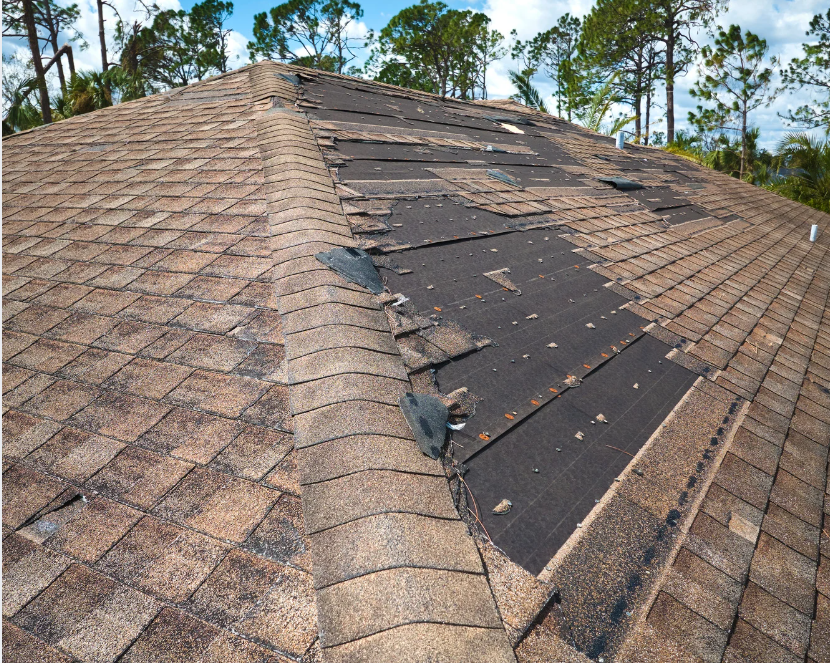
Storms move through coastal Georgia every year, and sometimes they leave more behind than puddles and fallen branches.
One strong storm can loosen shingles, damage flashing, dent metal roofing, tear gutters loose, or create openings that allow water into your home. The frustrating part is that not all storm damage is obvious. Some problems show up immediately, while others stay hidden until the next rainstorm reveals them.
Many homeowners walk outside after severe weather and ask the same question:
“Now what?”
If you live in Kingsland, St. Marys, Woodbine, or elsewhere in Camden County, knowing what to do during the first few hours and days after a storm can make a huge difference. The right steps can help protect your home, prevent additional damage, and make the inspection and insurance process much smoother.
Let’s walk through what homeowners should do immediately after a storm damages a roof and what mistakes are best avoided.
Start with safety first
Before thinking about shingles, gutters, or insurance claims, make sure everyone is safe.
After a storm, hazards can include:
downed power lines
fallen tree limbs
unstable structures
standing water
slippery surfaces
exposed electrical components
If you suspect structural damage or electrical hazards, keep your distance and contact the appropriate emergency services before doing anything else.
Your roof can be repaired.
Safety comes first.
Do not rush onto the roof
This is one of the biggest mistakes homeowners make.
The storm passes, the sun comes out, and people immediately want to climb a ladder to see what happened.
That is risky for several reasons.
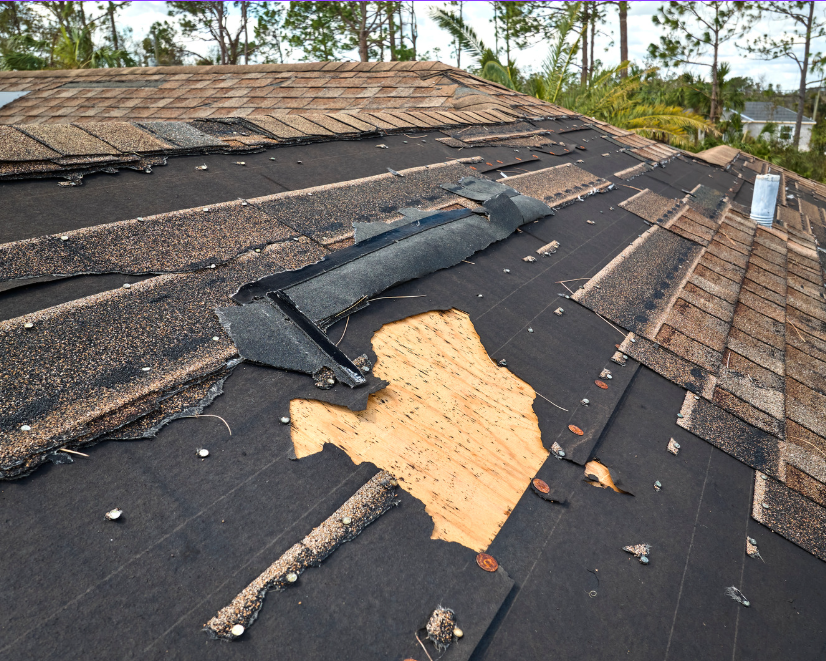
Storm damaged roofs may have:
loose shingles
weakened decking
slick surfaces
hidden soft spots
unstable flashing
Even experienced contractors approach storm inspections carefully.
The safest place for a homeowner is on the ground.
Use binoculars, a camera zoom feature, or simply perform a visual inspection from around the property.
Walk around your property and look for clues
A ground level inspection often reveals more than people expect.
Look for:
shingles in the yard
roofing debris
bent gutters
fallen branches
damaged siding
flashing pieces
dented roof accessories
tree limbs contacting the roof
Take your time.
Small details can help identify storm damage patterns later.
Even if you do not see obvious roof damage, debris around the property can indicate the roof experienced significant wind exposure.
Check inside the home
Not all storm damage shows up outside.
Walk through the house and look for:
ceiling stains
water spots
active dripping
attic moisture
wet insulation
musty odors
bubbling paint
Pay special attention to areas around:
chimneys
roof valleys
skylights
vent penetrations
exterior walls
Sometimes the first evidence of roof damage appears indoors.
Document everything
This is one of the most important steps homeowners can take.
Before any cleanup begins, photograph:
the roof from the ground
fallen branches
debris
damaged gutters
ceiling stains
interior leaks
affected property
Take more photos than you think you need.
Good documentation helps create a timeline of what happened and may become valuable if insurance claims are involved.
The Federal Emergency Management Agency recommends documenting storm damage thoroughly before beginning major cleanup efforts. FEMA disaster recovery guidance
Watch for signs of wind damage
Wind is one of the most common causes of roof damage in Camden County.
Strong winds can:
lift shingles
break seals
loosen flashing
damage ridge caps
expose underlayment
The challenge is that some wind damage is difficult to see from the ground.
A roof may look fine at first glance while still having:
creased shingles
broken adhesive seals
lifted edges
hidden flashing damage
This is one reason professional inspections matter after major storms.
Pay attention to tree damage
Trees and roofs do not always get along during severe weather.
Even if a tree does not fall directly onto the roof, branches can:
scrape shingles
damage flashing
loosen gutters
puncture roofing materials
create impact damage
Inspect nearby trees carefully.
If large branches are hanging above the roof, they may present an ongoing risk even after the storm ends.
Understand that not all damage leaks immediately
This surprises homeowners all the time.
Many people assume that if there is no leak today, the roof must be fine.
That is not always true.
Storm damage often creates vulnerabilities that do not reveal themselves until later.
For example:
lifted shingles may not leak until the next rainstorm
flashing damage may stay hidden for weeks
small punctures may allow slow moisture intrusion
damaged seals may fail gradually
The absence of an immediate leak does not necessarily mean the roof escaped damage.
Temporary protection may be necessary
Sometimes storms create openings that need immediate attention.
Examples include:
missing shingles
exposed decking
fallen tree damage
punctures
active water intrusion
In these situations, temporary protection measures such as emergency tarping may help prevent additional water damage until permanent repairs can be completed.
The goal is not to permanently repair the roof.
The goal is to stop further damage while the situation is evaluated properly.
Know when to call a roofing professional
Not every storm requires repairs.
But every significant storm deserves attention if you suspect damage.
A professional inspection can determine:
whether shingles were lifted
if flashing was compromised
whether moisture entered the roof system
if hidden storm damage exists
what repairs may be necessary
This is often where homeowners gain clarity.
Instead of guessing, they learn exactly what happened.
What a storm damage inspection should include
A thorough inspection should evaluate:
Roofing materials
Looking for:
missing shingles
lifted shingles
cracks
impact damage
seal failures
Flashing systems
Checking:
chimneys
walls
valleys
roof penetrations
transitions
Attic conditions
Inspecting for:
moisture
leaks
staining
insulation damage
ventilation concerns
Structural concerns
Evaluating whether any storm related movement or damage affected the roof system itself.
A complete inspection provides a much clearer picture than a simple visual glance from the driveway.
Common mistakes homeowners make after storms
Waiting too long
Some people assume they will deal with it later.
The problem is that every future rainstorm may make existing damage worse.
Throwing away debris immediately
Roofing materials found in the yard can help identify damage patterns.
Photograph them before disposal.
Attempting major repairs themselves
DIY repairs often create new problems when hidden damage goes unnoticed.
Assuming insurance automatically covers everything
Coverage depends on policy details, storm conditions, deductibles, and the cause of damage.
Ignoring small leaks
Small leaks often become larger repairs when left unresolved.
What about insurance?
Many homeowners naturally wonder about insurance after a storm.
While every policy is different, documentation and inspections are critical.
If you suspect storm related damage:
take photographs
document dates
save inspection reports
keep records of temporary protection measures
The Georgia Office of Commissioner of Insurance encourages homeowners to review policy coverage and maintain detailed records when storm damage occurs. Georgia Insurance Consumer Resources
The more information you have, the easier conversations typically become later.
Why storms affect Camden County roofs differently
Living near the Georgia coast creates unique roofing challenges.
Roofs in Kingsland, St. Marys, Woodbine, and surrounding communities regularly face:
strong winds
tropical weather systems
heavy rain
humidity
debris impact
Over time, those conditions wear on roofing materials.
That means even moderate storms can expose existing weak points.
A roof that has handled years of weather may already be vulnerable before the next major storm arrives.
How to reduce future storm damage
No roof can eliminate storm risk completely.
However, homeowners can reduce vulnerability by:
Scheduling regular inspections
Small issues are easier to fix before storms arrive.
Addressing damaged shingles promptly
Weak areas often become storm entry points.
Keeping gutters clean
Proper drainage reduces water related stress.
Trimming overhanging branches
Reducing impact risks during high winds.
Repairing flashing issues early
Storms often exploit existing flashing weaknesses.
Preparation does not prevent every problem, but it can significantly improve roof performance during severe weather.
FAQ: Roof storm damage in Camden County
Should I get my roof inspected even if I do not see leaks?
Yes. Storm damage is not always immediately visible, and hidden issues may develop into leaks later.
How soon should I inspect my roof after a storm?
As soon as conditions are safe. Early inspections help identify damage before additional weather causes further problems.
Can wind damage shingles without removing them?
Absolutely. Wind can lift shingles, break seals, and weaken roofing materials without completely tearing them off.
What should I photograph after a storm?
Document roofing materials, debris, fallen branches, interior leaks, ceiling stains, and any visible property damage.
Can small storm damage become a larger repair later?
Yes. Water intrusion often spreads over time if damaged areas remain exposed.
Is emergency tarping a permanent repair?
No. It is a temporary protective measure designed to reduce further damage until proper repairs are completed.
What if my roof looks fine from the ground?
Some storm damage cannot be seen easily from below. Professional inspections often uncover hidden issues.
Final thoughts
The hours after a storm are not the time to panic, but they are the time to pay attention.
Roof damage does not always announce itself immediately. Sometimes it shows up as a missing shingle. Sometimes it appears weeks later as a ceiling stain. Sometimes it stays hidden until another storm reveals it.
The sooner you understand what happened, the more options you typically have.
If a recent storm passed through Kingsland, St. Marys, Woodbine, or anywhere in Camden County and you suspect roof damage, Southern Roofers can help assess the situation, identify hidden issues, and explain what repairs make sense before small problems turn into larger ones.
Share on
Recent posts
How Long Does a Roof Replacement Take in…
Signs It’s Time for a Roof Replacement in…
Repair or Replacement Roof Kingsland GA: How to…
Projects


Related Posts
How Long Does a Roof Replacement Take in Kingsland…
(912) 673-0001 74 Jody Ln, Kingsland, GA 31548, United States Quicklinks Home About Services Blog…
Signs It’s Time for a Roof Replacement in Kingsland…
(912) 673-0001 74 Jody Ln, Kingsland, GA 31548, United States Quicklinks Home About Services Blog…
Repair or Replacement Roof Kingsland GA: How to Know…
(912) 673-0001 74 Jody Ln, Kingsland, GA 31548, United States Quicklinks Home About Services Blog…
Your Trustworthy, Trusty Roofing Experts At Southern Roofers. We provide professional roofing to the homes and commercial buildings throughout Kingsland, GA and the surrounding vicinity.
Quick Links
Contact info
- (912) 673-0001
- 74 Jody Ln, Kingsland, GA 31548, United States
© 2025 Southern Roofers. All Rights Reserved.