- (912) 673-0001
- 74 Jody Ln, Kingsland, GA 31548, United States
Quicklinks
Our Services
Roof Vent Leak vs Shingle Leak: How to Tell the Difference in Kingsland
- Home
- Roof Vent Leak vs Shingle Leak
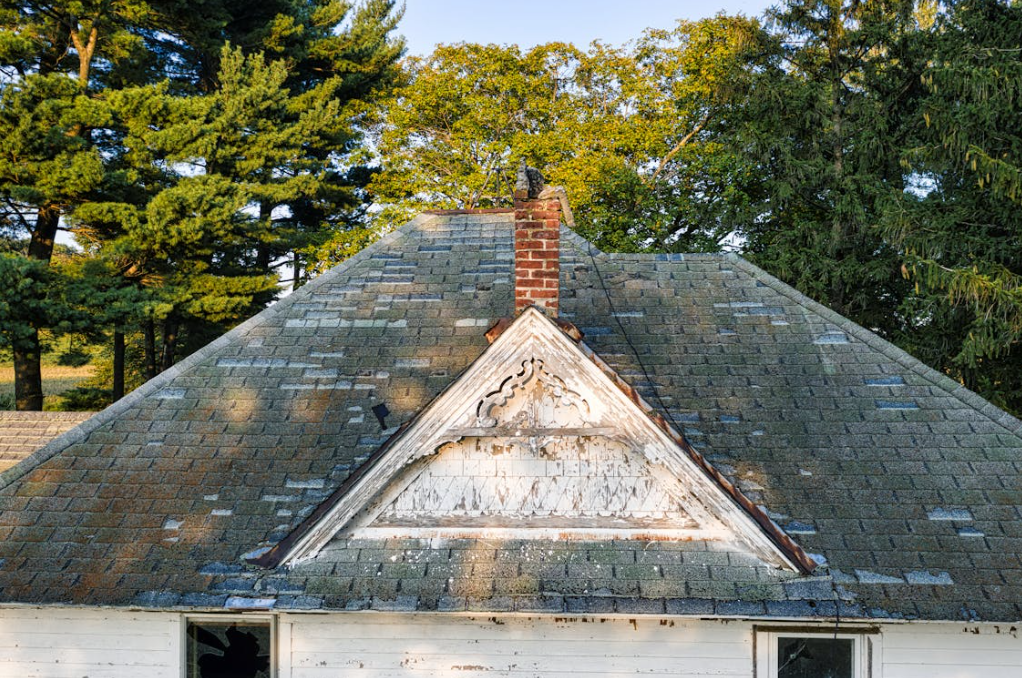
One of the most frustrating things about roof leaks is how hard they can be to trace.
A stain shows up on the ceiling and immediately your mind starts racing. Is the roof failing? Did shingles blow off during the last storm? Is water coming in around a vent? Is it serious? How long has it been happening?
Around Kingsland, St. Marys, Woodbine, and the rest of Camden County, two of the most common causes of roof leaks are shingle failures and roof vent leaks. The problem is they can look very similar from inside the house at first.
Both can leave stains.
Both can drip during storms.
Both can create attic moisture.
Both can slowly spread if ignored.
But the way they happen and the way roofers repair them is usually very different.
Understanding the difference helps homeowners know what signs to watch for, when a repair may be simple, and when it is time to stop guessing and schedule an inspection.
First thing to know: the ceiling stain rarely tells the full story
This is where homeowners get tripped up all the time.
Water almost never travels in a straight line once it gets inside the roof system. It can move along decking, framing, nails, insulation, and rafters before finally showing up inside the home.
That means:
- a vent leak can appear several feet away from the vent itself
- a shingle problem may drip near a light fixture nowhere near the actual entry point
The stain is usually the symptom.
Not the actual source.
That is why professional roof inspections focus on tracing the water path instead of just staring at the stain itself.
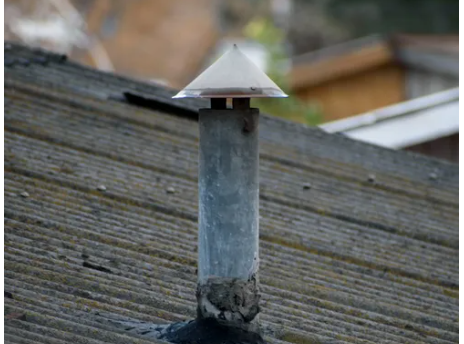
What is a roof vent leak?
A roof vent leak happens when water gets in around a roof penetration.
That includes things like:
- plumbing vent pipes
- attic vents
- bathroom exhaust vents
- kitchen exhaust vents
- other roof mounted vent systems
Every penetration through the roof needs flashing and sealing materials to keep water out. Over time, those materials can crack, shift, dry out, or fail.
In coastal Georgia weather, sun exposure and humidity speed that process up more than many homeowners realize.
What usually causes roof vent leaks?
Cracked pipe boots
This is probably the most common vent related leak we see.
The rubber boot around a plumbing vent pipe sits under constant sun exposure year after year. Eventually the rubber dries out, cracks, or separates around the pipe.
Once that happens, rainwater starts working its way underneath.
Sometimes the damage is obvious.
Sometimes it is only a tiny split that leaks during heavy storms.
Loose flashing around vents
Flashing around vents can loosen over time from:
- weather movement
- storm activity
- improper installation
- age
- expansion and contraction from heat
Even a small gap can become a leak point once wind driven rain hits the roof hard enough.
Failed sealant
Sealants do not last forever.
A lot of roof penetrations rely partly on roofing sealants to keep water out around edges and fasteners. After enough years of heat and weather exposure, those sealants can dry out and stop doing their job.
Improper vent installation
Unfortunately, not every roof penetration is installed correctly from the start.
Sometimes roofers find:
- poor flashing integration
- exposed fasteners
- incorrect overlap
- poorly sealed vent bases
The leak may not show up immediately. It may take years before enough weather exposure reveals the weakness.
What is a shingle leak?
A shingle leak happens when water gets through damaged or compromised roofing material itself.
Asphalt shingles are designed to shed water downward in overlapping layers. Once shingles crack, lift, loosen, or wear down, water can work underneath and enter the roofing system.
In Kingsland and surrounding areas, storms and heat are major contributors.
What usually causes shingle leaks?
Wind lifted shingles
This is extremely common after storms.
Shingles do not always blow completely off the roof. Sometimes wind only lifts them enough to break their seal. Once the seal breaks, rain can push underneath during future storms.
From the ground, the roof may still look mostly normal.
Aging shingles
Over time shingles become brittle from heat and UV exposure. Granules wear away, edges curl, and the material weakens.
Older shingles become much easier for wind and rain to compromise.
Cracked shingles
Storm debris, foot traffic, aging, and temperature changes can all create cracks.
Even small cracks can allow water intrusion once enough rain hits the area repeatedly.
Missing shingles
This is the obvious one homeowners usually notice first.
Once shingles are missing entirely, the underlayment underneath becomes vulnerable to direct water exposure.
The biggest clue: where and when the leak appears
A lot of the time, the timing and location of the leak offer the best hints.
Signs it may be a roof vent leak
The leak is:
- near bathrooms
- near laundry rooms
- near kitchens
- closer to the center of the home
- appearing after steady rain
- concentrated in one smaller area
Vent leaks also sometimes drip more consistently because water follows the vent penetration directly downward.
If attic access is available, homeowners may even notice moisture directly around the vent pipe itself.
Signs it may be a shingle leak
The leak is:
- near exterior walls
- spreading across a larger section
- showing up after storms with high wind
- paired with visible missing shingles outside
- appearing after recent storm damage
Shingle leaks are also more likely to involve broader roof areas depending on how much wind damage occurred.
Why heavy rain makes both problems worse
This is important because homeowners often say:
“It only leaks when it rains really hard.”
That makes sense.
Heavy rain creates:
- more water volume
- stronger water pressure
- wind driven rain movement
- overflowing drainage systems
Small weaknesses that survive light rain often fail during storms.
That is why both vent leaks and shingle leaks tend to reveal themselves during major weather events first.
What homeowners can safely check themselves
You do not need to climb on the roof to gather useful information.
Look for ceiling patterns
Pay attention to:
- where the stain is located
- whether it grows after storms
- whether it drips during steady rain or only windy storms
- whether the stain spreads outward over time
Check the attic safely
If attic access is safe:
- use a flashlight
- look for dark wood staining
- check insulation for moisture
- look around vent pipes carefully
- follow water trails upward if possible
Do not step on drywall.
Only step on framing areas.
Walk around outside from the ground
Look for:
- missing shingles
- lifted or curled shingles
- debris buildup
- damaged vent covers
- bent flashing
- sagging gutters
Use binoculars or phone zoom if needed.
What not to do
A lot of roofing problems get worse because homeowners panic and try quick fixes.
Avoid:
- climbing on a wet roof
- spreading random sealant everywhere
- pressure washing shingles
- ignoring small stains
- assuming the leak “went away”
Water intrusion usually keeps returning until the real source gets repaired properly.
Why vent leaks are often underestimated
Vent leaks tend to fool homeowners because they often start small.
A tiny crack around a vent boot may only leak during certain weather conditions at first. But over time:
- decking can rot
- insulation can soak up moisture
- mold can develop
- ceiling damage spreads
By the time the stain becomes obvious, the leak may have already been active much longer than expected.
Why shingle leaks can spread fast after storms
Storm related shingle damage often gets worse with every new rain.
Once shingles lift or seals break:
water gets underneath more easily
underlayment weakens
nearby shingles loosen
moisture spreads across decking
That is why post storm inspections matter so much in coastal Georgia.
The Federal Emergency Management Agency also encourages homeowners to inspect homes carefully after severe weather events because hidden damage may not appear immediately. FEMA storm recovery guidance
How roofers actually determine the difference
A proper inspection usually includes:
- checking shingles for lifting, cracking, or missing sections
- inspecting vent boots and flashing closely
- tracing attic moisture paths
- checking valleys and roof transitions
- evaluating storm related damage patterns
The goal is not just identifying where water appeared inside.
It is identifying where it actually entered the roofing system.
That distinction matters.
Repair differences between vent leaks and shingle leaks
Vent leak repairs
Depending on the issue, repairs may involve:
- replacing pipe boots
- resealing flashing
- reinstalling vent flashing correctly
- replacing damaged vent components
If caught early, these repairs are often fairly localized.
Shingle leak repairs
Shingle related repairs may involve:
- replacing damaged shingles
- resealing lifted areas
- repairing underlayment
- replacing decking
- correcting storm damage sections
The scope depends heavily on how widespread the damage became before repair started.
How homeowners can reduce future roof leaks
Some simple habits help more than people realize.
Schedule inspections after storms
A quick inspection after major weather can catch:
- lifted shingles
- flashing movement
- vent damage
- early moisture intrusion
before leaks spread further.
Keep gutters clean
Overflowing gutters increase water stress around roof edges and flashing areas.
Address small stains early
Small leaks rarely stay small forever.
Trim overhanging branches
Branches and debris increase wear on both shingles and roof penetrations.
Local roofing conditions matter in Kingsland
Roofs in Kingsland and Camden County deal with a tough combination:
- intense heat
- humidity
- driving rain
- coastal storms
- strong winds
That environment speeds up wear on both shingles and vent materials.
A roof that looks “mostly okay” from the street may still have vulnerable areas developing underneath the surface.
That is why local roofing experience matters when diagnosing leaks correctly.
FAQ: Roof vent leaks vs shingle leaks
How do I know if my leak is coming from a roof vent?
Leaks near bathrooms, kitchens, or the center of the house often point toward roof vent issues, especially if moisture appears around vent pipes in the attic.
Can missing shingles cause a ceiling stain?
Yes. Missing or lifted shingles allow water to get underneath the roofing system and eventually into ceilings and insulation.
Do vent leaks only happen during storms?
Not always. Some vent leaks happen during steady rain because water slowly works through cracked seals or flashing gaps.
Which repair is usually cheaper?
Localized vent repairs are often smaller if caught early. Widespread shingle damage can become more involved depending on how much of the roof was affected.
Can a roof leak spread even if the stain looks small?
Absolutely. Water often travels behind the scenes long before visible damage grows larger inside the home.
Should I climb on the roof to check myself?
No. Wet or damaged roofs are dangerous. Ground level inspections and attic checks are safer until a professional inspection happens.
Need help after a windy night in Kingsland
Roof vent leaks and shingle leaks can look surprisingly similar from inside the house, but the causes behind them are usually very different.
The good news is both are often manageable when caught early.
The key is figuring out where the water is actually entering before more moisture spreads through the roof system, attic, and ceiling materials.
If you are seeing ceiling stains, attic moisture, or signs of roof leaks in Kingsland, St. Marys, Woodbine, or anywhere in Camden County, Southern Roofers can help identify whether the issue is tied to shingles, roof vents, flashing, storm damage, or another roofing problem entirely.
Share on
Recent posts
How Long Does a Roof Replacement Take in…
Signs It’s Time for a Roof Replacement in…
Repair or Replacement Roof Kingsland GA: How to…
Projects


Related Posts
How Long Does a Roof Replacement Take in Kingsland…
(912) 673-0001 74 Jody Ln, Kingsland, GA 31548, United States Quicklinks Home About Services Blog…
Signs It’s Time for a Roof Replacement in Kingsland…
(912) 673-0001 74 Jody Ln, Kingsland, GA 31548, United States Quicklinks Home About Services Blog…
Repair or Replacement Roof Kingsland GA: How to Know…
(912) 673-0001 74 Jody Ln, Kingsland, GA 31548, United States Quicklinks Home About Services Blog…
Your Trustworthy, Trusty Roofing Experts At Southern Roofers. We provide professional roofing to the homes and commercial buildings throughout Kingsland, GA and the surrounding vicinity.
Quick Links
Contact info
- (912) 673-0001
- 74 Jody Ln, Kingsland, GA 31548, United States
© 2025 Southern Roofers. All Rights Reserved.