- (912) 673-0001
- 74 Jody Ln, Kingsland, GA 31548, United States

Quicklinks
Our Services
Roof Leak Only When It Rains Hard: What That Usually Means in Kingsland
- Home
- Roof Leak Only When It Rains Hard: What That Usually Means in Kingsland
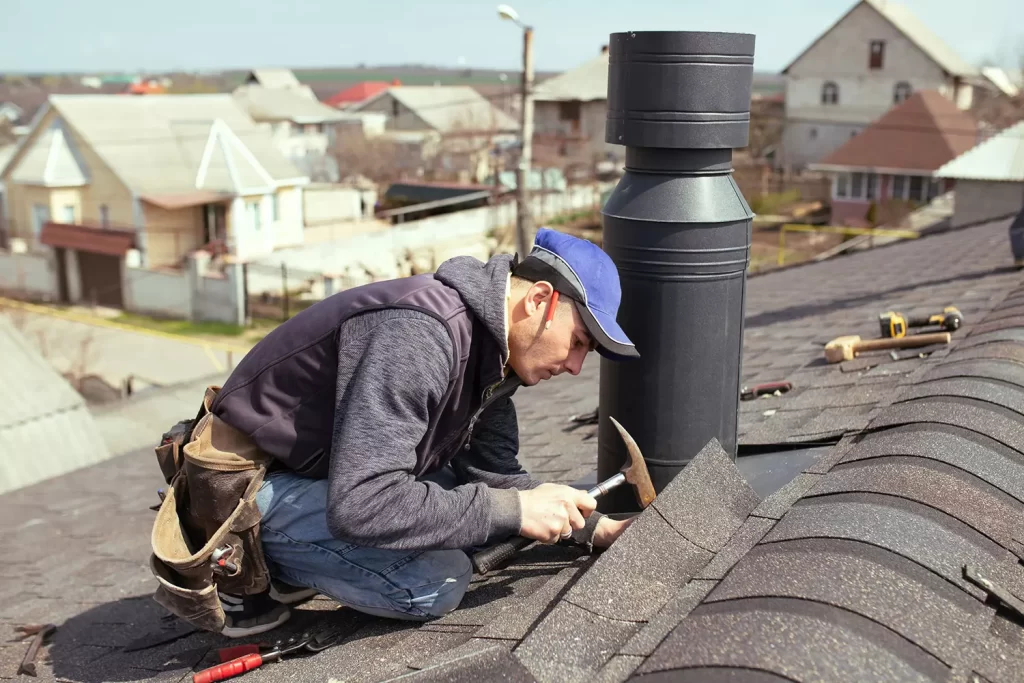
If your roof only leaks during heavy rain, that is actually a useful clue. It usually means your roof is not “open” in a big obvious way. More often, it is a weak point that only fails when there is enough water volume, enough wind, or both.
Around Kingsland and Camden County, we also see how humidity and storm patterns can keep roofs under constant stress. When it is humid and you get a hard, windy rain, small vulnerabilities show up fast.
Let’s walk through what this pattern usually means, what you can check safely, and how a roofer will pinpoint it.
Why heavy rain leaks behave differently
A light rain is like a slow test. Water sheds off the roof the way it is supposed to.
A heavy rain is a stress test:
• More water hits the roof per minute
• Wind pushes water sideways and upward under shingles
• Gutters overflow and water backs up at the roof edge
• Valleys and flashing have to move a lot more water than normal
So if you only leak when it pours, the issue is often a detail problem, not the entire roof.
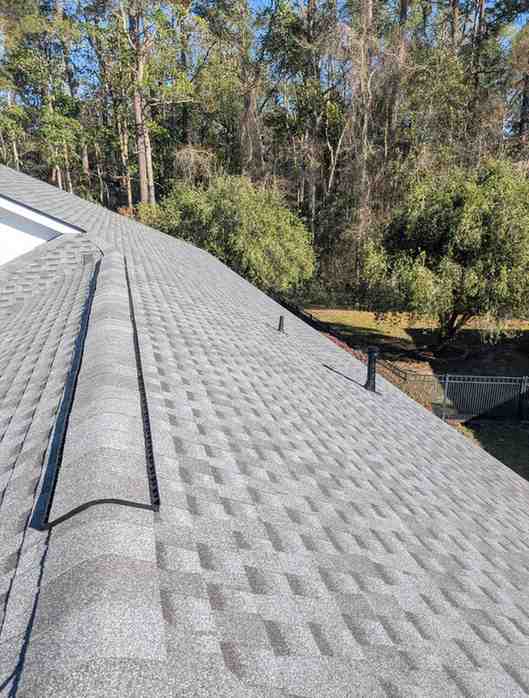
The most common reasons a roof leaks only in heavy rain
1. Wind driven rain getting under lifted shingles
This is one of the biggest culprits. A shingle can look fine from the ground, but its seal may be broken. During a calm rain, water runs down the roof and never challenges that seal. During a storm, wind pushes water up under the shingle edge and the leak starts.
Clues:
• Leak happens during storms, especially when rain is blowing sideways
• You have missing shingles nearby, or shingles look slightly uneven
• The leak started after a windy weather event
2. Flashing that is “almost” sealed
Flashing is the metal that seals transitions like chimneys, sidewalls, and roof valleys. When flashing is loose, bent, rusted, or sealed poorly, it might hold up during light rain. Heavy rain overwhelms it.
Common heavy rain flashing leak spots:
• Chimney flashing
• Roof to wall intersections
• Step flashing along sidewalls
• Valley metal or woven valley areas
This is also why leaks can show up far away from the exterior wall. Water enters at flashing, then travels before it drips inside.
3. Valleys moving too much water
Valleys are where two roof slopes meet. They handle a ton of runoff. In a downpour, valleys become a river. If the valley has debris buildup, worn materials, or poor installation, heavy rain will find the weak spot.
Clues:
• Leak happens during long, steady downpours
• You have trees over the roof and debris collects in valleys
• The stain is under a valley line in the attic or ceiling
4. Gutters overflowing and forcing water back under the roof edge
When gutters clog or overflow, water does not exit the system cleanly. It backs up at the edge and can get into fascia, soffit, and the first rows of roofing materials. This often shows up only when rain is intense enough to overwhelm the drainage.
Clues:
• You see gutters overflowing during storms
• Water drips near the roof edge
• You notice staining on soffit or fascia after rain
5. Vent boots and roof penetrations leaking under high volume rain
Plumbing vent boots and other roof penetrations are classic “only leaks when it pours” problems. A small crack in a rubber boot or a worn seal can stay quiet for months, then leak like crazy during a downpour.
Clues:
• Leak is near a bathroom, laundry room, or kitchen area
• Drip appears after the rain has been going for a while
• Attic shows water trails near a pipe penetration
6. Storm damage that is not obvious from the street
Some storm damage is subtle. A lifted shingle crease, a loosened flashing edge, or a small puncture from debris may not look dramatic, but heavy rain will expose it fast. Southern Roofers even notes that damage is not always immediately visible and water can seep into small cracks over time.
Signs this “heavy rain leak” is becoming a bigger problem
Treat it as urgent if you see:
• A ceiling stain getting larger after each storm
• Bubbling paint or soft drywall
• Wet insulation in the attic
• Musty smells or signs of mold
• Dripping near light fixtures or outlets
If water is near electrical, prioritize safety and call a professional.
What you can do right now without getting on the roof
1. Contain the water and protect the ceiling
- Put a bucket down
• Move furniture and valuables
• If the ceiling is bulging with trapped water, draining it carefully into a bucket can prevent a bigger collapse
2. Take photos and notes
Take photos of the stain, the drip, and the date and time it happened. If this ends up being storm related, documentation helps whether you involve insurance or just want a clear repair record.
3. Do a ground level walkaround
From the ground, look for:
• Shingles in the yard
• Sagging or overflowing gutters
• Bent flashing
• Debris piled in valleys
Use binoculars or phone zoom, not a ladder in wet conditions.
4. Check the attic only if it is safe
If you can safely access the attic:
• Look for dark staining on decking
• Check for wet insulation
• Follow water trails to the highest visible point
Do not step on drywall. Only step on framing.
What not to do
A lot of roof leak headaches come from “quick fixes” that create bigger problems later.
- Do not climb on a wet roof
• Do not smear sealant everywhere and hope it holds
• Do not assume the leak is directly above the stain
• Do not ignore it because it only happens “once in a while”
What a professional leak diagnosis should include
A real diagnosis is about tracing the entry point and the water path, not guessing.
Southern Roofers’ roof repair process includes checking for water damage inside the attic or home if needed, providing a clear written estimate, performing code compliant repairs, and doing cleanup with a final walkthrough.
That is exactly what you want for a heavy rain leak, because these can be tricky if you only look at the ceiling stain and not the whole system.
Repair cost factors for a heavy rain leak in Kingsland
Heavy rain leaks can be simple or complicated depending on the source.
Cost usually depends on:
• Roof height and pitch
• Whether the issue is shingles, flashing, valley work, or a penetration
• Whether decking or underlayment is damaged
• How much interior drying or restoration is needed
• Access, especially if the leak is near a steep valley or chimney
Will insurance cover a roof leak from heavy rain
Often, insurance depends on what caused the water to get in.
Many homeowners policies may cover leaks caused by sudden damage from a covered peril like wind or hail, but they typically do not cover wear and tear, aging materials, or neglected maintenance.
If you suspect storm damage, taking photos and scheduling an inspection quickly is the safest move.
How to reduce the chances of another leak?
A few habits can help a lot:
- Keep gutters clear so water drains properly
- Trim overhanging branches
- Address small issues early after storms
- Schedule an inspection at least once a year and after major storms
- Make sure attic ventilation is doing what it should
FAQ: Roof leaks only during heavy rain
Why does my roof only leak when it rains really hard?
Usually because the weak spot only fails under high water volume or wind driven rain. Flashing, valleys, lifted shingles, gutters, and vent boots are the most common causes.
Can clogged gutters really cause a roof leak?
Yes. When gutters overflow, water can back up at the roof edge and get into areas that normally stay dry.
Is this an emergency if it only leaks during big storms?
It can be. Each storm adds water damage, and repeated wetting can lead to mold and wood rot. If the stain is growing, treat it as urgent.
Should I put a tarp on the roof myself?
Only if you can do it safely. Wet roofs are dangerous. If the leak is active, a roofer can tarp and dry in the area as needed. Southern Roofers offers emergency tarping when required for storm damage situations.
Do you need to inspect the attic to find this kind of leak?
Often, yes. Water paths are not always obvious from the roof surface. Southern Roofers notes they check attic spaces or interior areas as needed.
Will homeowners insurance cover the interior ceiling damage too?
In many cases, interior damage may be covered if the roof leak was caused by a covered event, but coverage varies by policy and deductible.
Need help in Kingsland before the next storm hits
If your roof only leaks when it rains hard, that is a problem you can usually solve, but it starts with finding the real entry point.
Southern Roofers serves Kingsland, St. Marys, Woodbine, and the rest of Camden County. If you want a clear answer, a clear estimate, and repairs done the right way, call (912) 673 0001 to schedule an inspection and get a free estimate.
Share on
Recent posts
Roof Leaks Only During Heavy Rain in Kingsland…
Why Is My Roof Leaking? The Most Common…
Insurance 101 for Roof Damage Claims
Projects




Related Posts
Roof Leaks Only During Heavy Rain in Kingsland GA:…
(912) 673-0001 74 Jody Ln, Kingsland, GA 31548, United States Quicklinks Home About Contact Our…
Why Is My Roof Leaking? The Most Common Causes…
(912) 673-0001 74 Jody Ln, Kingsland, GA 31548, United States Quicklinks Home About Contact Our…
Insurance 101 for Roof Damage Claims
(912) 673-0001 74 Jody Ln, Kingsland, GA 31548, United States Quicklinks Home About Contact Our…
Your Trustworthy, Trusty Roofing Experts At Southern Roofers. We provide professional roofing to the homes and commercial buildings throughout Kingsland, GA and the surrounding vicinity.
Quick Links
Contact info
- (912) 673-0001
- 74 Jody Ln, Kingsland, GA 31548, United States
© 2025 Southern Roofers. All Rights Reserved.