- (912) 673-0001
- 74 Jody Ln, Kingsland, GA 31548, United States

Quicklinks
Our Services
Small Roof Leak Today, Big Repair Later: What Happens If You Wait
- Home
- Small Roof Leak Today, Big Repair Later
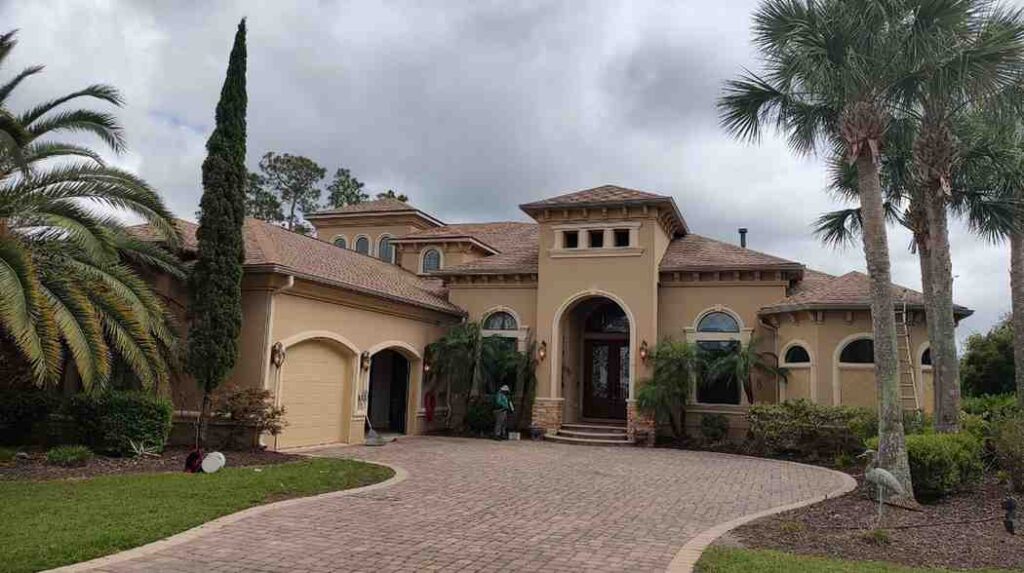
Most roof leaks do not start as emergencies.
They start small.
A faint stain appears in the corner of a ceiling. A homeowner notices a drip during a heavy rainstorm. Maybe there is a damp spot in the attic that seems minor enough to deal with later.
Life gets busy.
The leak stops when the weather clears up, and suddenly it feels like something that can wait another week or two.
Then another storm rolls through.
The stain gets larger.
The drywall starts bubbling.
Now what looked like a small roofing issue is turning into a much bigger problem.
Around Kingsland, St. Marys, Woodbine, and throughout Camden County, this is one of the most common situations roofing contractors encounter. Many of the larger repairs homeowners face today started as relatively small leaks months earlier.
The reality is that water rarely stays in one place. Once it gets inside a roofing system, it tends to spread. The longer it continues, the more opportunities it has to damage materials that are expensive to repair or replace.
Let’s look at what actually happens when a roof leak is ignored and why timing matters more than most homeowners realize.
Why small roof leaks are often underestimated
The biggest reason people delay repairs is simple.
The leak does not seem serious.
Many homeowners think:
“It only leaks during really heavy rain.”
“It is just a small stain.”
“It has not gotten worse yet.”
“I will deal with it after the holidays.”
“I will wait until next season.”
The problem is that visible damage is usually only a fraction of what is happening.
A ceiling stain is not the leak.
It is evidence of the leak.
By the time water reaches your ceiling, it has often already traveled through multiple layers of roofing materials, decking, insulation, framing, or attic spaces.
That means damage may already be developing where you cannot see it.
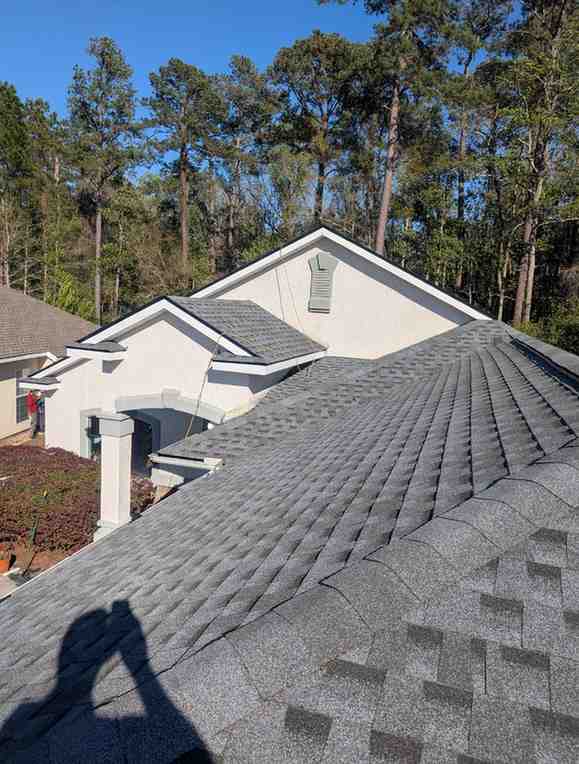
Water never stays where it enters
One of the most important things homeowners should understand is that water travels.
When rain enters through a damaged shingle, flashing gap, vent penetration, or storm damaged area, it rarely drips straight down.
Instead, it often moves along:
- roof decking
- rafters
- framing
- insulation
- nails
- electrical pathways
Eventually it reaches a place where it becomes visible.
That visible spot may be several feet away from where the water actually entered.
This is why a tiny stain can sometimes represent a much larger hidden issue.
What happens during the first stage of a roof leak
In the beginning, the damage is often fairly limited.
Water may only affect:
- a small section of decking
- a small amount of insulation
- one localized leak point
At this stage, repairs are often straightforward.
A roofing contractor may find:
- lifted shingles
- damaged flashing
- cracked pipe boots
- minor storm damage
- isolated roofing failures
When addressed early, many of these repairs stay relatively manageable.
This is the stage homeowners want to catch.
Stage two: moisture starts spreading
As additional storms pass through, water intrusion becomes more consistent.
Now moisture begins affecting nearby materials.
Insulation may absorb water.
Wood decking may remain damp for longer periods.
Fasteners may begin corroding.
Ventilation systems may become less effective.
At this stage, homeowners often notice:
- larger ceiling stains
- musty odors
- attic moisture
- discoloration
- peeling paint
The repair itself may still be fixable, but additional materials are often involved.
Stage three: structural materials begin deteriorating
This is where repair costs can start climbing quickly.
Wood that stays wet long enough eventually weakens.
Roof decking may soften.
Framing components can begin deteriorating.
Water can spread farther into surrounding areas.
What started as a simple leak now involves:
- roofing repairs
- decking replacement
- insulation replacement
- drywall repairs
And sometimes more.
The actual roofing issue may still be relatively small, but the water damage around it is no longer small.
Mold becomes a concern
Kingsland’s climate creates another challenge.
Humidity.
When moisture becomes trapped inside roofing systems, attics, walls, or insulation, conditions become much more favorable for mold growth.
According to the Environmental Protection Agency, mold can begin growing on damp materials within a relatively short period when moisture remains present. EPA Mold and Moisture Guide
This does not mean every leak creates mold.
But the longer moisture remains unresolved, the greater the risk becomes.
This is another reason small leaks deserve attention early.
Ceiling damage gets worse than people expect
Homeowners often focus on the roof itself.
But interior damage adds up quickly too.
As moisture continues entering the home, ceilings may begin showing:
- expanding stains
- bubbling paint
- sagging drywall
- texture damage
- cracks
In severe situations, drywall can become saturated enough to partially collapse.
At that point, you are no longer dealing with just a roofing repair.
Now interior restoration becomes part of the project.
Electrical concerns can develop
Water and electricity do not mix.
If moisture reaches:
- light fixtures
- ceiling fans
- electrical wiring
- junction boxes
additional safety concerns develop.
While this does not happen with every leak, it is one reason roof leaks should never be treated casually.
If water is actively dripping near electrical components, professional evaluation becomes especially important.
Why some leaks suddenly seem much worse
Homeowners sometimes say:
“It was fine for months and then suddenly got bad.”
What usually happened is the damage was growing quietly behind the scenes.
The leak itself was already active.
The visible signs simply had not caught up yet.
Then a larger storm arrives, more water enters, and the symptoms become impossible to ignore.
The roof did not suddenly fail overnight.
The warning signs were simply hidden earlier.
The true cost of waiting
One of the biggest misconceptions about roof repairs is that delaying saves money.
Sometimes homeowners believe:
“If I wait a few months, I can budget for it later.”
Unfortunately, roofing problems often become more expensive with time.
The reason is simple.
Water damage expands.
What begins as:
- one repair area
can eventually involve:
- roofing materials
- decking
- insulation
- drywall
- paint
- framing
- mold remediation
The original leak rarely stays the same size.
Common reasons homeowners delay roof repairs
Most people are not intentionally ignoring problems.
Usually they delay because:
- they hope the leak stops
- they think it is minor
- they worry about repair costs
- they are busy
- they do not know who to call
- they assume insurance will not help
All of those reactions are understandable.
But waiting often makes the final repair larger than it needed to be.
Storm season makes waiting even riskier
Here in coastal Georgia, storms are a reality.
Every additional storm creates another opportunity for water intrusion.
A roof that survived one storm with minor damage may not survive the next one the same way.
Wind can worsen:
- lifted shingles
- flashing damage
- exposed underlayment
- existing leaks
The longer a damaged area remains exposed, the more vulnerable it becomes.
Signs your leak should not wait any longer
Some warning signs deserve immediate attention.
These include:
- growing ceiling stains
- active dripping
- wet insulation
- sagging drywall
- mold growth
- musty odors
- visible storm damage
- missing shingles
- attic moisture
If you are seeing any of these, delaying repairs usually creates more risk than benefit.
What homeowners should do when they find a leak
Document the issue
Take photographs.
Capture:
- ceiling stains
- attic moisture
- visible roof damage
- affected areas
Good documentation helps track changes and may help if insurance becomes involved.
Check the attic safely
If attic access is safe, look for:
- water trails
- damp insulation
- dark wood staining
- visible moisture
Do not walk on drywall.
Schedule an inspection
A professional inspection identifies:
- where water entered
- how far damage spread
- whether storm damage is involved
- what repairs are actually necessary
The sooner this happens, the easier it is to prevent additional damage.
Why local roofing experience matters
Roofs in Kingsland face conditions that are different from many other parts of the country.
They deal with:
- intense sunlight
- humidity
- heavy rainfall
- tropical systems
- strong winds
Those conditions affect how leaks develop and how repairs should be approached.
Understanding local weather patterns helps roofing professionals identify damage earlier and recommend repairs that fit the environment.
FAQ: Small roof leaks
Can a small roof leak really become a major repair?
Yes. Water spreads over time and can damage decking, insulation, drywall, framing, and other materials beyond the original leak point.
How quickly can roof leak damage spread?
It depends on weather conditions, the leak location, and how much water enters, but damage often grows with every storm.
Is a ceiling stain always a roof leak?
Not always. Plumbing, HVAC issues, and condensation can also create stains. A professional inspection can determine the source.
Can mold develop from a roof leak?
Yes. Prolonged moisture exposure increases the likelihood of mold growth.
Does insurance cover roof leaks?
Coverage depends on the cause of the damage and the specific policy. Storm related damage may be treated differently than normal wear and tear.
Should I wait until the leak gets worse before calling someone?
No. Early inspections often prevent more extensive and expensive repairs later.
What is the biggest mistake homeowners make with roof leaks?
Waiting too long because the leak appears minor.
Final thoughts
Most major roofing repairs do not begin as major roofing repairs.
They begin as small warning signs.
A stain on the ceiling.
A missing shingle.
A drip during a storm.
The challenge is that water rarely stays contained. Given enough time, it spreads into materials that are far more expensive to repair than the original roofing issue.
That is why acting early matters.
If you have noticed signs of a roof leak in Kingsland, St. Marys, Woodbine, or anywhere in Camden County, Southern Roofers can help identify the source, determine how far the damage has spread, and explain the most practical path forward before a small leak turns into a much bigger repair.
Share on
Recent posts
How Long Does a Roof Replacement Take in…
Signs It’s Time for a Roof Replacement in…
Repair or Replacement Roof Kingsland GA: How to…
Projects


Related Posts
How Long Does a Roof Replacement Take in Kingsland…
(912) 673-0001 74 Jody Ln, Kingsland, GA 31548, United States Quicklinks Home About Services Blog…
Signs It’s Time for a Roof Replacement in Kingsland…
(912) 673-0001 74 Jody Ln, Kingsland, GA 31548, United States Quicklinks Home About Services Blog…
Repair or Replacement Roof Kingsland GA: How to Know…
(912) 673-0001 74 Jody Ln, Kingsland, GA 31548, United States Quicklinks Home About Services Blog…
Your Trustworthy, Trusty Roofing Experts At Southern Roofers. We provide professional roofing to the homes and commercial buildings throughout Kingsland, GA and the surrounding vicinity.
Quick Links
Contact info
- (912) 673-0001
- 74 Jody Ln, Kingsland, GA 31548, United States
© 2025 Southern Roofers. All Rights Reserved.